 企业品牌定位案例
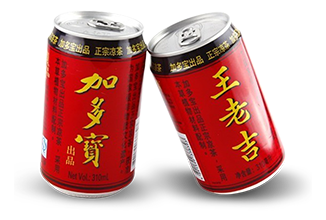
Wong Lo Kat (Red-Can)
——This case was compiled by the Harvard Business Review and published in its Chinese version in November 2004
Wong Lo Kat Herbal Tea originated in Guangdong and Guangxi provinces. Cooked with certain Chinese herbals it is famous for smooth digestion and avoids inflammatory or other lesions. Among the various herbal drinks in China, Wong Lo Kat Herbal Tea has been the most famous brand inasmuch as it had its beginnings from mid Qing Dynasty and lasted for 175 years in China. The brand name enjoys a stellar reputation and appreciation in southern China as the inventor was considered the founder of herbal medicine drinks in the country. The drink has spread to other countries along with the flow of Chinese immigration.
History of Wong Lo Kat Herbal Tea
Wong Lo Kat Herbal Tea originated in Guangdong and Guangxi provinces. Cooked with certain Chinese herbals it is famous for smooth digestion and avoids inflammatory or other lesions. Among the various herbal drinks in China, Wong Lo Kat Herbal Tea has been the most famous brand inasmuch as it had its beginnings from mid Qing Dynasty and lasted for 175 years in China. The brand name enjoys a stellar reputation and appreciation in southern China as the inventor was considered the founder of herbal medicine drinks in the country. The drink has spread to other countries along with the flow of Chinese immigration.History of Wong Lo Kat Herbal Tea
Wong Lo Kat Herbal Tea originated in Guangdong and Guangxi provinces. Cooked with certain Chinese herbals it is famous for smooth digestion and avoids inflammatory or other lesions. Among the various herbal drinks in China, Wong Lo Kat Herbal Tea has been the most famous brand inasmuch as it had its beginnings from mid Qing Dynasty and lasted for 175 years in China. The brand name enjoys a stellar reputation and appreciation in southern China as the inventor was considered the founder of herbal medicine drinks in the country. The drink has spread to other countries along with the flow of Chinese immigration.In the 50s of the 20th century, Wong Lo Kat Herbal Tea split into two branches; one merged into state owned enterprises in Mainland China and developed into Guangzhou Wanglaoji (mandarin) Pharmaceutical Company Ltd., producing concentrate or other types of traditional herbal medicine. Descendants of Wang's family brought the other branch to Hong Kong. In Mainland China, the brand of Wong Lo Kat Herbal was registered by Guangzhou Wanglaoji Pharmaceutical Company Ltd., while in other countries and regions; the brand was under name of Wang's descendants.
Background information
Before 2002, red can Wong Lo Kat Herbal Tea enjoyed stable sales and profits in Guangdong and south Zhejiang province, establishing its loyal consumers in the area. The manufacturer maintained its annual sales around RMB100 million for several years. However, the manufacturer had realized from market feedback that they had to deal with some tough issues, if they planned to increase their sales volume. Some advantages the company considered had actually thwarted their future developments.The dilemma the company faced was to decide whether to market the product as an "herbal medicine drink" or as a "common soft drink". The challenge was averting confusion on the part of the consumer.
Confused Consumers
In Guangdong province, traditional herbal medicine drinks (concentrates from home or shop boiled and cooked) was considered as "medicine" for its efficiency in the elimination of inflammatory conditions, thus consumers would rather not drink the product regularly once their particular ailment was gone. Wong Lo Kat was set in the minds of the consumers as herbal medicine drinks for hundred of years in Guangdong. The sales of red can Wong Lo Kat Herbal Tea herbal drinks were limited by its traditional fame as medicine, and the consumers in the province did not accept the brand as a soft drink.
The red can Wong Lo Kat Herbal Tea was produced with special formula provided by Wang's family from Hongkong under China's production ratification in food and drink category. Its taste, color and packaging were very different from the consumers' image of traditional herbal medicine drinks in Guangdong. With a long history of applying traditional herbal medicine, Chinese consumers had it fixed in their minds that the a more bitter taste was considered more effective. The sweet taste of red can Wong Lo Kat Herbal Tea was naturally considered by consumers as being a less effect medicine.
In Guangdong Province, the red can Wong Lo Kat Herbal Tea contents tended to taste more like a contemporary soft drink. Local consumers therefore demonstrated a certain degree of confusion, " the brand sounds like herbal medicine but it tastes more like some kind of soft drink"
In south Zhejiang Province, another key market for the product, the consumers considered it as tea or milk drinks made by Kangshifu and Wangzai (two major brands in China) or other major producers of soft drinks in China. The consumers in the area did not take Wong Lo Kat as herbal medicine. Quite a number of local residents came back from oversea where they got to know the product. They helped the brand to build its market there. Some popular soft drinks like coconut juice enjoyed its successful sale for a while but soon were replaced by other new drinks in the market. It vanished like sand castle on the beach, quickly washed away by waves. The manufacturer of red can Wong Lo Kat Herbal Tea was concerned that they too could face a similar fate.
The manufacturer needed to deliver a clear message to eliminate any confusion on the part of the consumer. It was critical to identify the core value of product clearly, and differentiate it from the competition.
Obstacles to expand the market
Except for Guangdong and Guangxi Provinces, consumers in China did not consume red can Wong Lo Kat Herbal Tea as an herbal medicine drink. The market survey in these areas showed that the consumers had no idea the product was an herbal medicine drink. It would be a waste to educate these consumers in China to take Wong Lo Kat Herbal Tea as medicine drink as they believed traditional medicine pills would ease their inflammatory problems not herbal tea.
At the same time, Coco Cola and Pepsi Cola dominated the soft drink market in these areas, and Kangshifu and President (the two most successful soft drink producers from Taiwan) already grabbed lion shares of carton packed tea and juice market.
With honeysuckle flower, licorice roots, chrysanthemum and other herbals, the red can Wong Lo Kat maintained a flavor of certain Chinese herbal medicine. It would be hard to sell successfully in the soft drink market because of its herbal taste. The right discernable taste was the key to achieving its goal in the soft drink market. The retail price of red can Wong Lo Kat was RMB3.5/can, higher than other Chinese soft drinks. If the manufacturer failed to differentiate its products from other products, it would never expand the market and the sales would shrink in the future. The manufacturer found itself in a situation where it was difficult to maintain market share for a sustainable period or to expand to other market places in China.
Confused message sent to the consumers
What the manufacturer was facing was a dilemma. By promoting the product as "herbal medicine drink" sales would be limited, whereas on the other hand of it was unclear how the product would be received as a soft drink. Its advertising was vague and ambiguous, in one of its TV commercials; a good looking boy took a red can Wong Lo Kat Herbal Tea from the refrigerator with wording "healthy family with you forever". This expensive advertisement did not work in identifying the special feature of the product in the market.
This kind of advertising and promotion of the product lasted for several years in China. Consumers purchased the product without knowing its special function and the manufacturer failed to market the product properly. Fortunately, the manufacturer survived in the rather friendly waters as the market in China was not sophisticated and there were not too many sharks swimming in the last few years. China's large marketplace for new products tolerated the mistakes made by local manufacturers. On the other hand, the product was unique and hard to be replaced by other drinks shortly. Thanks to the fast economic developments, China's small and mid size manufacturers have expanded, supported by the local massive consumer market even though they did not have clear market strategies for their products. However, when these manufacturers grew to certain economic scales, sooner or later, they had to figure out what motivated the consumer to choose their product if they wished to keep their products on the shelves .
Reposition the product in the market
By the end of 2002, Guangdong Jiaduobao Drink & Food Company Ltd contacted Achieve Strategic Positioning Company for making a TV commercial, applying "sports and health" as its theme since the manufacturer was one of the sponsors of 2004 Olympic Games in Athens. The manufacture intended to promote its sales of the product before 2004.
Achieve Strategic Positioning Company studied the case and informed the manufacturer that simply making a TV commercial would not help to reach its goal. When sales volume dropped in the market, Chinese enterprises and manufacturers usually either immediately revised their original TV commercials or rapidly replaced it with another "big and new idea" in their advertisements. The Achieve Marketing Consultation Company advised the manufacturer that not all those practices would solve their problems, as the key issue was to position its product in the market properly.
Even though red can Wong Lo Kat had been in the market for 7 years in China, the manufacture did not position the product systematically by its special functions. The management did not have a clear mind of the product position so did the consumers. Thus, no advertisement could help to increase sales as its product stood nowhere in the market. As ad-master David Ogilvy said: "The most important decision is how to position your product, how to create advertising that sells." The manufacturer finally accepted the advice and suggestions. Achieve Marketing Consultation Company was contracted to do the job of positioning red can Wong Lo Kat Herbal Tea in China's market.
As a common practice, a product brand is established based on consumers needs. How ever, just simply feeding the need of the consumers could hardly differentiate Wong Lo Kat Herbal Tea. Achieve Strategic Positioning Company set its task by positioning the product by its special functions, which other competitors did not have.
It was almost impossible to change the consumers' recognition of certain products. Achieve Strategic Positioning Company realized as a large number of existing consumers had build up their recognition of red can Wong Lo Kat Herbal Tea, the company decided not to try to change or challenge the image the consumers already had. The positioning of the product should be carried out in conformity with the recognition of the product by the consumers in Guangdong and south Zhejiang Province, which would guarantee the stable sales in these markets while creating new opportunities in other markets in China.
Achieve Strategic Positioning Company studied the information and data of the manufacturer and its competitors, and paid visits and held meetings and discussion with wholesalers and retailers in different markets and talked to managers and sale staffs of the manufacturer. Then, the company contracted a special market survey company to conduct a targeted survey among existing consumers, enabling the company to clarify the present position and finalized its place of Wong Lo Kat Herbal Tea in future market.
By all these efforts, Achieve Strategic Positioning Company found out the consumers in Guangdong Province purchased the products when they had barbecues and climbing exercise activities. As they considered roasted, barbecue or baked meat or intensive exercises would cause carbuncles and inflammation, and drinking red can Wong Lo Kat Herbal Tea as herbal medicine would prevent the symptoms before hand.
In Zhejiang Province, Achieve Strategic Positioning Company found most local consumers bought the drink during their picnic; parties and family get together. The consumers had stronger senses of carbuncles and inflammation; some even avoid Chinese pickled fruit and Coca Cola as they considered pickles and certain drinks would cause inflammation. (Detail market survey showed that both Coca Cola and Pepsi Cola had poor sales in the area. And both drinks did not have much TV commercial in these areas, a sign of stop trying to expand the market.) The consumers enjoyed drinking red can Wong Lo Kat Herbal Tea, as "it will prevent inflammation for all ages." Their ideas may not be true but it had affected their purchases. That was the key fact the consultants found through the survey.
The consumers in the two markets did not treat red can Wong Lo Kat Herbal Tea as medical syrup but took it as functional drink. The real motive was to prevent carbuncles and inflammation while enjoying their barbecue. Whenever they really had the symptoms, they would take Chinese herbal pills or medicine to cure the disease.
Achieve Strategic Positioning Company also studied chrysanthemum tea and other similar drinks the direct competitors for Wong Lo Kat Herbal Tea and found out these brands just simply applied low price policy in the market. None of these products positioned themselves as "drinks preventing carbuncles and inflammation", while coca drinks, juice and bottle water did not have this special function so that they became indirect competitors in the market for Wong Lo Kat Herbal Tea.
As Coca Cola declared "it is the really thing" for its founder created a very new drink in the global marketplace identifying its unique competency. Achieve Strategic Positioning Company collected and analyzed all information about red can Wong Lo Kat Herbal Tea and clearly defined its specific uniqueness being, Wong Lo Kat Herbal Tea was the founder of herbal drinks for 175 years and had a unique herbal formula, for preventing carbuncles and inflammation over its competitors.
As Achieve Strategic Positioning Company defined the general consumers' real motive, it would help the manufacturer maintain the previous market shares, and greatly assist the manufacturer to form a strategy to achieve a national market in the future. The consultants talked to Chinese herbal experts and collected other related information and concluded: In the long history of Chinese herbal medicine, people in the country believe antipyretics to treat fever, carbuncles and inflammation will keep them healthier in life. This strong traditional belief would certainly bring the herbal drink to the whole country well beyond one or two provinces in China. The consultants indicated if the manufacturer could print the concept in the consumers' mind, red can Wong Lo Kat Herbal Tea will be in the market with Chinese consumers in all countries around the world.
After a month of intensive analysis and the correlation of all relevant data, Achieve Strategic Positioning Company delivered the report of positioning red can Wong Lo Kat Herbal Tea in the market, with the following key points;
A) the product should be defined as soft drink not herbal medicine.
B) The position of the brand should be high lighted as prevention of carbuncles and inflammation.
C) The special function of Wong Lo Kat Herbal Tea will help consumers to enjoy barbecue, spicy and deep-fried food and watch TV overnight without bordering by carbuncles and inflammation.
Achieve Strategic Positioning Company defined four advantages to position Wong Lo Kat Herbal Tea as a special drink in the market;
1. Advantage to push and market the sale of red can Wong Lo Kat Herbal Tea to other provinces in China instead of relegating it to only Guangdong and Zhejiang Provinces. Since all Chinese, not limited to only consumers in Guangdong province accepted preventing carbuncles and inflammation with traditional Chinese medicine it would certainly help the manufacturer to break the ice and step into a national wide market.
2. Advantage to establish differentiation of the products with special functions and avoid direct competition from major soft drink producers both at home and abroad.
3. Advantage to switch market uncertainties to benefits; Light herbal taste of Wong Lo Kat Herbal Tea demonstrated effect of prevention or treatment of carbuncles and inflammation as the products contains herbal formula. The retail price of RMB3.5/Can became acceptable, not too expensive to consumers for its special function. The history and fame of Wong Lo Kat Herbal Tea brand would strongly back up its leading position in herbal drink in China.
4. Advantage to strength the cooperation between the producer and Guangzhou Wanglaoji Pharmaceutical Company Ltd.
As the producer defined its product as a functional drink and
differentiated from the medical products avoided the potential conflicts with Wanglaoji Pharmaceutical Company and helped to build up a close working relationship between the two. They decided to work together in shooting a TV series of the founder of Wong Lo Kat, which would benefit both pharmaceutical and drink manufacturers.
Achieve Strategic Positioning Company indicated in its research that consumer's concerned that spicy and deep fried food caused carbuncles and inflammation. The company suggested while maintaining the original sales channel, the manufacturer should spend great efforts in pushing the sales in chain restaurants, especially Hunan, Sichuan and hot pot and barbecue restaurants where mainly spicy and deep-fried food and meals were served.
After receiving the report, Mr. Hongdao Chen, the chairman of Guangdong Jiaduobao Drink & Food Company Ltd, highly appreciated the report and was convinced to position red can Wong Lo Kat Herbal Tea in the market. He applied and executed all the key elements suggested by Achieve Marketing Consultation Company.
To set up a new category for the product is the best choice for positioning in the market. If the new product could differentiate from other powerful opponents in the market, its advertisement became simple by just demonstrate the message of this brand new product to consumers but could gain significant results. Red can Wong Lo Kat Herbal Tea marketed its product as the first herbal drinks that could prevent carbuncles and inflammation in China's market and when consumers realized and accepted the new product fitted their needs, red can Wong Lo Kat Herbal Tea had become the first choice in the new category. The manufacturer would enjoy the most benefit from growth of the sales by the end.
Once the product position was established, the marketing target became clear for all advertisements for Wong Lo Kat Herbal Tea. All efforts of promotion were focused in gaining solid grounds in the new product category. When all these groundwork was completed, it was about the time to shoot TV commercials for the product promotion.
When the manufacturer had a clear product position for market and consumers, the advertising campaign became a key element for the manufacturer to forge its brand image in consumers mind. Advertising media in China has a strong influence in consumer products and definitely influences consumers in their purchasing choices.
Achieve Strategic Positioning Company confirmed the theme of the TV commercials as "to avoid carbuncles and inflammation, Wong Lo Kat is your best choice" and focused the product as a special functional drink. In the first phase of advertising, the TV commercials implied that Wong Lo Kat Herbal Tea could help people relax, be happy and healthy in the film to differentiate the product from traditional cooked herbal drinks. To arouse consumers purchasing desire for the product, TV commercials scrutinized five locations where consumers easily might get carbuncles and inflammation.1) having spicy hot pot; 2) watch TV overnight; 3) enjoy deep fried food or French fries; 4) barbecue with friends and 5) sunbath in hot summer time. People had fun in these locations while drinking red can Wong Lo Kat Herbal Tea with the song "enjoying life without worries, with Wong Lo Kat Herbal Tea in hand, carbuncles and inflammation ends." These TV commercials reminded consumers to purchase red can Wong Lo Kat Herbal Tea when they had these activities.

|

|

|

|

|

|
| (TV Commercial) |
In early 2003, the manufacturer only had a budget of RMB10 million in market promotion and advertising, reasonable to its actual sales volume in 2002. When consumers in Shenzhen, Dongguan and south Zhejiang province accepted the product, the manufacturer focused their advertising and promotion only in these areas. Now the new TV commercials gained significant results with large sales increase, thus the manufacturer increased the expenses in the advertising to strengthen its new market place. By the end of 2003, the manufacturer spent RMB 40 million in advertising (excluding the expenses of purchasing prime time of CCTV in 2004) The annual sales of red can Wong Lo Kat Herbal Tea jumped to RMB600 million. This example might give inspiration to certain China domestic producers without strong financial back up but aim at a large market to follow the practical pattern of Wong Lo Kat Herbal Tea.
 |
| --- |

|

|
| --- |

|

|

|
|
| --- |

|

|
| --- |
-
The advertising campaign of"with Wong Lo Kat Herbal Tea in hand, carbuncles and inflammation ends"stated clearly the reason for purchasing the product and helped to increase the sales in a very short period. A clear succinct message was sent to consumers, and the result was strong brand identification was established in the marketplace.
The positive results
Originated in Guangdong Province and lasting for 175 years, the successful brand positioning and advertising revitalized the product and brought great economic results for manufacturer. In 2003, the annual sales of red can Wong Lo Kat Herbal Tea increased from RMB100 million to RMB600 million, 4 times higher than the year before. The product also became very popular across the nation not only limited in Guangdong province any more. In 2004, the manufacturer expanded its production capacity to meet the market needs around the country and annual sales again went up to RMB1 billion. The same story repeated in 2005 and 2006, the annual sales soared to RMB2 billion and around RMB4 billion, and finally broke 17 billion in 2009.
Conclusion:
The critical steps of the manufacturer to gain market success;
· To precisely position the product in the market;
· To accurately set up the image in advertising
a) make sure the commercials contain the right message to consumers
b) guarantee the volume of advertising can impress consumers;
· The right decisions and firm executions from the top management of the
manufacturer;
· The excellent system to monitor the strategy execution without expanding beyond
its ability but kept its leading position in certain areas and markets.
Statistics
1. The annual sales of red can Wong Lo Kat Herbal Tea in China
Year Sale
2002 RMB180 million
2003 RMB600 million
2004 RMB1.43 billion (included Tetra-Pak)
2005 RMB2.5 billion (included Tetra-Pak)
2006 RMB4 billion (included Tetra-Pak)
2007 around RMB9 billion (included Tetra-Pak)
2008 around RMB15 billion (included Tetra-Pak)
2009 around RMB17 billion (included Tetra-Pak)
2. Manufacturer's production expansion in China
Time Cactory location Capital investment
1995 Dongguan, Guandong Province USD20 million
1999 Dongguan, Guangdong Province USD30 million
2003 Beijing Economic Development Zone USD30 million
2004 Shaoxin, Zhejiang Province USD25 million
2005 Shishi, Fujian Province USD30 million
2006 Nansha, Guangdong Province USD100 million
2007 Hangzhou, Zhejiang Province USD25 million
Wuhan, Hubei Province USD99.8 million